
How an Offshore Trust and an Offshore Bank Account Work Together
Why an account in your own name isn't enough, how an offshore trust and an offshore account work together, and what the pairing can't do.
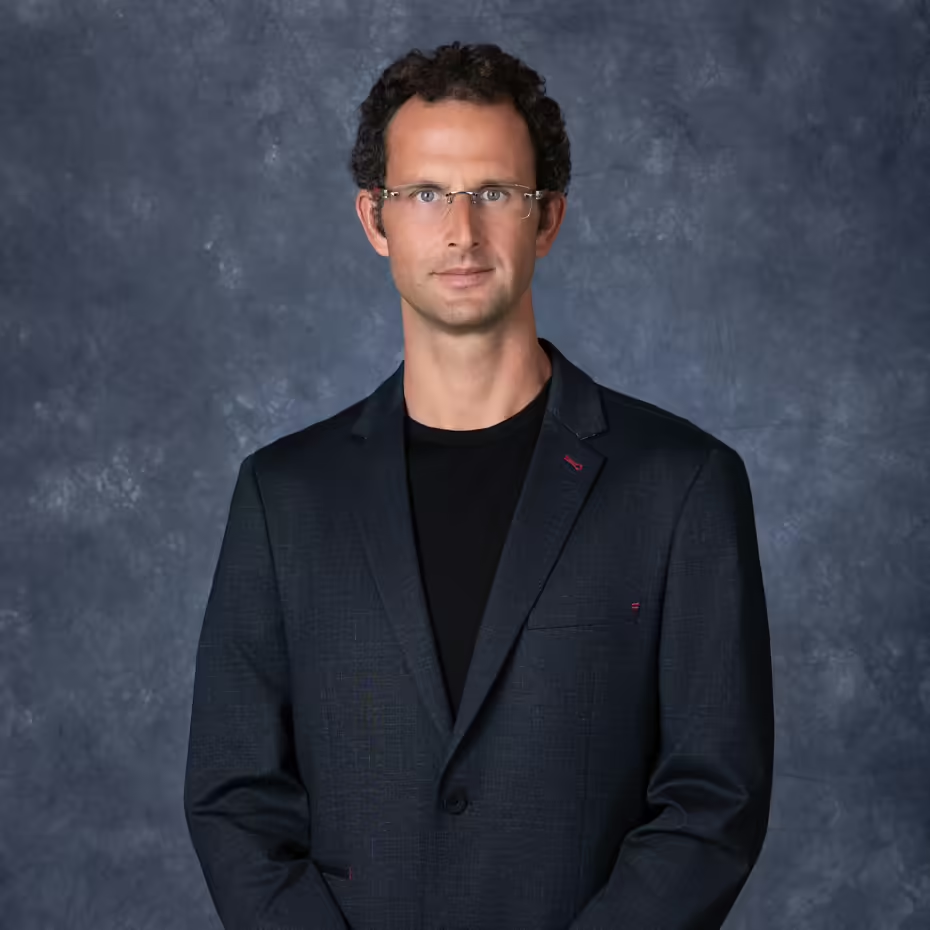 Blake Harris · Florida Bar #86486, Colorado Bar #459426 min read
An offshore bank account on its own is a place to keep money, not protection for it. If you are sued and lose, a U.S. court can order you to bring the money home. When an offshore trust owns the account, that can change.
1. Who should consider pairing the two
Pairing an offshore trust with an offshore account is typically worth considering for:
- People with significant liquid savings at risk. Often $500,000 or more in assets, held by someone whose job or business tends to draw lawsuits, such as physicians, business owners, developers and landlords.
- People who already bank offshore. If you have an account abroad, it is located offshore but not protected. A trust can change that.
- People who are planning ahead. The structure should be set up before any claim exists. Planning done after a claim arises can be challenged and voided.
2. Why an account in your own name isn't enough
- You own and control it. A U.S. judge has power over you, even if the bank is abroad. The court can order you to wire the money home to pay a judgment. Refusing that order is contempt of court, which can mean fines or jail.
- A creditor can find it. U.S. law requires you to report foreign accounts to the government every year, and foreign banks report U.S. account holders as well. In a lawsuit, a creditor can ask about your accounts under oath. An offshore account is not hidden, and it shouldn't be.
See our guide to Offshore Bank Accounts for Asset Protection for more on how these accounts are typically used.
3. How the trust and the account work together
- The trust holds the account, not you. The account is opened in the name of the trust, or of an LLC the trust owns. You fund it, but you are no longer the account holder.
- A licensed, independent trustee controls it. With a Cook Islands Trust, the trustee is a licensed Cook Islands trust company that manages the account under the trust's terms. Many trusts also name a Protector, who can oversee the trustee.
- A U.S. court order may not reach the money. If a U.S. court orders you to bring the money home, you can't carry out the order, because you don't control the account. The trustee answers to Cook Islands law, not to a U.S. court, and the trust's terms typically direct it to refuse requests made under court order or other duress.
What to look for in the bank
The bank holding the trust's account should be:
- Registered for FATCA, the U.S. law under which foreign banks report accounts held by Americans
- Used to American clients and the reporting that comes with them
- Used to working with trusts and trustees, so that a trust company, not you, can open and run the account
Caye International Bank in Belize is one example of a bank to evaluate. Its President, Dr. Luigi Wewege, leads an international private bank serving clients from outside Belize. As with any bank, ask how it handles FATCA, U.S. clients and trust accounts before opening an account.
4. What it can't do
- Hide the account. The FBAR, Form 8938, and Forms 3520 and 3520-A are filed every year, and banks report U.S. account holders under FATCA. The structure is fully disclosed.
- Cut your taxes. A foreign trust with a U.S. person as grantor is generally taxed to that U.S. owner (26 U.S.C. §679). The income stays on your return.
- Undo a transfer made after a claim exists. If you move money once a claim is pending or expected, a court can find the transfer fraudulent and have it voided.
- Protect someone who keeps control or ignores court orders. If you keep the practical ability to move the money, or don't comply with court orders, a court may hold you in contempt.
5. Before you open the account
- The trust is in place first, then the account is opened in the trust's or the LLC's name
- No claim is pending or expected
- A licensed trustee who works with the bank is engaged
- An accountant is lined up to file the FBAR and Form 3520 each year
- The bank's requirements for trust accounts are confirmed in advance. At Caye International Bank, for example, that means a conversation with Dr. Luigi Wewege's team before the account is opened
About the author. Blake Harris, Esq., is the Managing Attorney of Blake Harris Law in Miami and a co-founder of Atlas Trust Company in the Cook Islands. He is a member of the Florida Bar (#86486) and the Colorado Bar (#45942), and the author of Don't Let a Lawsuit Take Away Everything.
This article is for general information only and is not legal or tax advice. Results depend on the facts of each case, and no outcome can be promised. Representation begins only after an engagement agreement is signed.